

Why Is an Indoor 35kV Epoxy Resin Wall Bushing Essential for Safe and Reliable Medium-Voltage Power Distribution
In modern electrical infrastructure, the Indoor 35kV Epoxy Resin Wall Bushing plays a critical role in ensuring safe insulation and reliable conductor passage through walls and partitions within medium-voltage systems. As a trusted manufacturer in the power transmission and distribution industry, Timetric provides high-quality Indoor 35kV Epoxy Resin Wall Bushings engineered for excellent electrical insulation, mechanical strength, and long-term operational stability. Whether used in substations, switchgear installations, or industrial power systems, these bushings are essential components for maintaining system safety and efficiency.
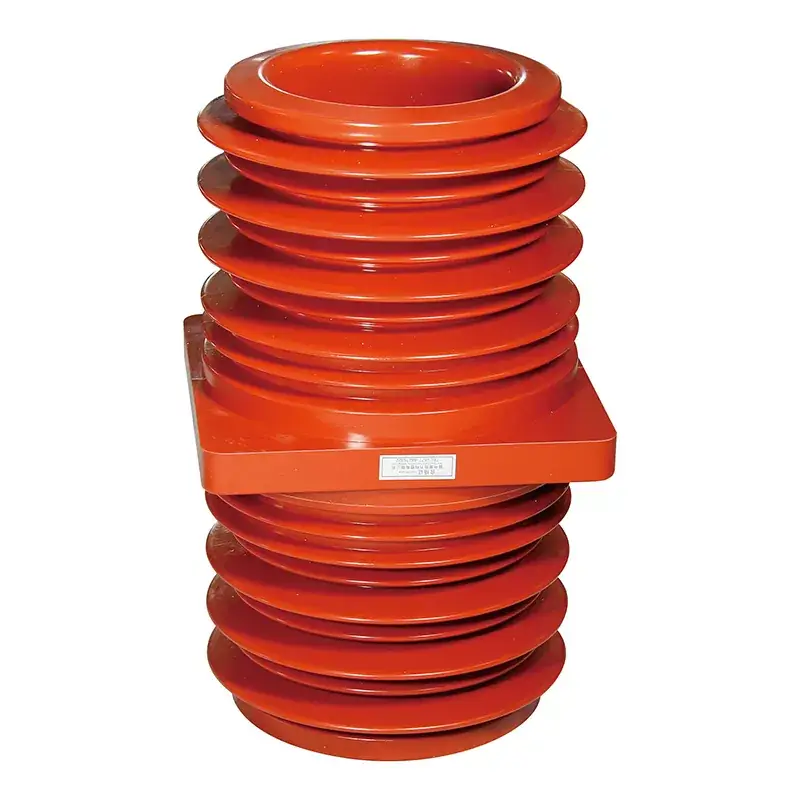
Table of Contents
- What Is an Indoor 35kV Epoxy Resin Wall Bushing?
- How Does It Work?
- Key Advantages of Epoxy Resin Wall Bushings
- Technical Specifications
- Major Application Areas
- Comparison with Other Insulation Materials
- How to Select the Right Wall Bushing
- Installation Best Practices
- Maintenance and Inspection
- Future Trends in Medium-Voltage Insulation
- Frequently Asked Questions
What Is an Indoor 35kV Epoxy Resin Wall Bushing?
An Indoor 35kV Epoxy Resin Wall Bushing is an electrical insulation component designed to allow conductors to safely pass through grounded walls, barriers, or partitions while maintaining electrical isolation. Operating at voltage levels up to 35kV, these bushings are commonly installed in indoor substations, switchgear rooms, and power distribution facilities.
Manufactured using advanced epoxy resin casting technology, the bushing combines excellent dielectric properties with robust mechanical performance. The epoxy resin body serves as both the insulation medium and structural support, eliminating the need for traditional porcelain materials in many applications.
How Does It Work?
The primary function of a wall bushing is to safely transmit electrical current through a grounded structure without causing insulation breakdown or electrical flashover.
- Conductors pass through the central opening.
- Epoxy resin provides insulation between conductor and grounded wall.
- Creepage distance prevents surface discharge.
- Mechanical structure supports conductor weight and vibration.
- Electric field distribution minimizes insulation stress.
By isolating energized conductors from grounded structures, the wall bushing ensures continuous power transmission while maintaining personnel and equipment safety.
Key Advantages of Epoxy Resin Wall Bushings
Excellent Electrical Insulation
Epoxy resin possesses outstanding dielectric strength, making it highly suitable for medium-voltage applications. It effectively prevents leakage currents and insulation failures.
High Mechanical Strength
Compared with traditional ceramic materials, epoxy resin offers excellent resistance to mechanical impact and vibration.
Compact Design
The optimized structure allows for space-saving installation in modern electrical facilities.
Moisture Resistance
Epoxy resin demonstrates strong resistance to humidity and environmental contamination.
Low Maintenance Requirements
The sealed design reduces inspection frequency and minimizes operational costs.
Technical Specifications
| Parameter | Typical Value |
|---|---|
| Rated Voltage | 35kV |
| Frequency | 50Hz / 60Hz |
| Insulation Material | Epoxy Resin |
| Installation Type | Indoor |
| Application | Medium Voltage Systems |
| Operating Temperature | -25°C to +40°C |
| Mechanical Strength | High Impact Resistance |
| Service Life | 20+ Years |
Major Application Areas
Indoor 35kV Epoxy Resin Wall Bushings are widely used throughout the electrical power industry.
| Industry | Application |
|---|---|
| Power Substations | Conductor penetration through walls |
| Switchgear Systems | Insulation and current transmission |
| Industrial Plants | Medium-voltage distribution systems |
| Renewable Energy | Wind and solar substations |
| Utilities | Grid infrastructure upgrades |
Their versatility makes them an essential component in virtually every medium-voltage installation.
Comparison with Other Insulation Materials
| Feature | Epoxy Resin | Porcelain | Composite |
|---|---|---|---|
| Mechanical Strength | Excellent | Moderate | Good |
| Weight | Light | Heavy | Very Light |
| Moisture Resistance | Excellent | Good | Excellent |
| Maintenance | Low | Medium | Low |
| Installation Ease | High | Moderate | High |
The balance of insulation performance, durability, and cost-effectiveness makes epoxy resin one of the most preferred materials for indoor medium-voltage bushings.
How to Select the Right Wall Bushing
Choosing the appropriate Indoor 35kV Epoxy Resin Wall Bushing requires evaluating several technical factors:
- Rated system voltage
- Current carrying capacity
- Installation environment
- Creepage distance requirements
- Mechanical loading conditions
- Applicable industry standards
- Long-term reliability expectations
Working with experienced manufacturers such as Timetric helps ensure proper product selection and compliance with project specifications.
Installation Best Practices
Proper installation significantly affects insulation performance and service life.
- Inspect the bushing before installation.
- Verify dimensional compatibility.
- Ensure mounting surfaces are clean.
- Apply recommended fastening torque.
- Maintain conductor alignment.
- Perform insulation resistance testing.
- Conduct commissioning inspections.
Following these practices helps maximize safety and reliability.
Maintenance and Inspection
Although epoxy resin wall bushings require minimal maintenance, periodic inspections remain important.
- Visual examination for cracks or damage.
- Surface cleanliness checks.
- Partial discharge monitoring.
- Thermal imaging inspections.
- Insulation resistance measurements.
- Connection tightening verification.
Routine maintenance helps identify potential issues before they impact system performance.
Future Trends in Medium-Voltage Insulation
As electrical infrastructure continues evolving, demand for high-performance insulation solutions is increasing. Future developments are expected to focus on:
- Enhanced epoxy resin formulations.
- Smart condition monitoring integration.
- Higher environmental resistance.
- Extended service life designs.
- Improved sustainability and recyclability.
- Compact substation applications.
Manufacturers are continuously investing in advanced materials and production technologies to meet these evolving industry requirements.
Frequently Asked Questions
What is the primary function of an Indoor 35kV Epoxy Resin Wall Bushing?
It allows electrical conductors to pass safely through grounded walls while maintaining insulation and preventing electrical faults.
Why is epoxy resin preferred over porcelain?
Epoxy resin offers superior mechanical strength, lower weight, improved moisture resistance, and easier installation.
Can these bushings be used outdoors?
Indoor models are specifically designed for indoor environments. Outdoor applications require bushings designed for environmental exposure.
How long does an epoxy resin wall bushing typically last?
Under normal operating conditions and proper maintenance, service life often exceeds 20 years.
What industries commonly use 35kV wall bushings?
Power utilities, substations, industrial manufacturing plants, renewable energy facilities, and commercial power distribution systems frequently utilize these components.
How often should inspections be conducted?
Most operators perform annual inspections, though critical installations may require more frequent monitoring.
Conclusion
The Indoor 35kV Epoxy Resin Wall Bushing is a vital component in medium-voltage electrical infrastructure, providing reliable insulation, mechanical support, and safe conductor passage through walls and barriers. With advantages such as excellent dielectric performance, long service life, compact construction, and low maintenance requirements, epoxy resin wall bushings have become a preferred solution for modern substations and power distribution systems.
If you are looking for high-quality Indoor 35kV Epoxy Resin Wall Bushings that meet demanding industry standards, Timetric offers dependable solutions backed by professional manufacturing expertise and strict quality control. Contact us today to discuss your project requirements, request technical specifications, or receive a customized quotation from our experienced engineering team.