

How Does a Vacuum Circuit Breaker Solve Reliability Problems in Medium-Voltage Power Systems?
Abstract
Power users rarely complain about a circuit breaker when everything is running smoothly. The real frustration begins when equipment trips too often, maintenance windows grow longer, replacement costs rise, or system reliability becomes unpredictable. This article explains how a Vacuum Circuit Breaker addresses those concerns in medium-voltage applications. It covers working principles, practical benefits, common buyer questions, selection factors, installation considerations, and maintenance expectations. It also shows why many buyers look for a solution that combines operational stability, compact design, and dependable interruption performance. For companies seeking a practical and durable switching solution, understanding how a Vacuum Circuit Breaker works can make purchasing decisions far more confident and efficient.
Table of Contents
- Article Outline
- Why do power users worry about breaker reliability?
- What exactly is a Vacuum Circuit Breaker and how does it work?
- Why is this technology attractive for frequent operation?
- Which problems can it solve for industrial and utility buyers?
- How does it compare with other switching options?
- What should buyers check before choosing one?
- How can proper installation and care extend service value?
- Why does supplier capability matter as much as the product itself?
- FAQ
Outline
- Buyer pain points in medium-voltage switching systems
- Basic operating principle of a Vacuum Circuit Breaker
- Performance advantages in real-world applications
- Typical use cases in distribution and industrial environments
- Comparison of practical purchase considerations
- Selection checklist for technical and commercial evaluation
- Maintenance, lifecycle value, and supplier support
- Frequently asked questions from buyers and engineers
Why do power users worry about breaker reliability?
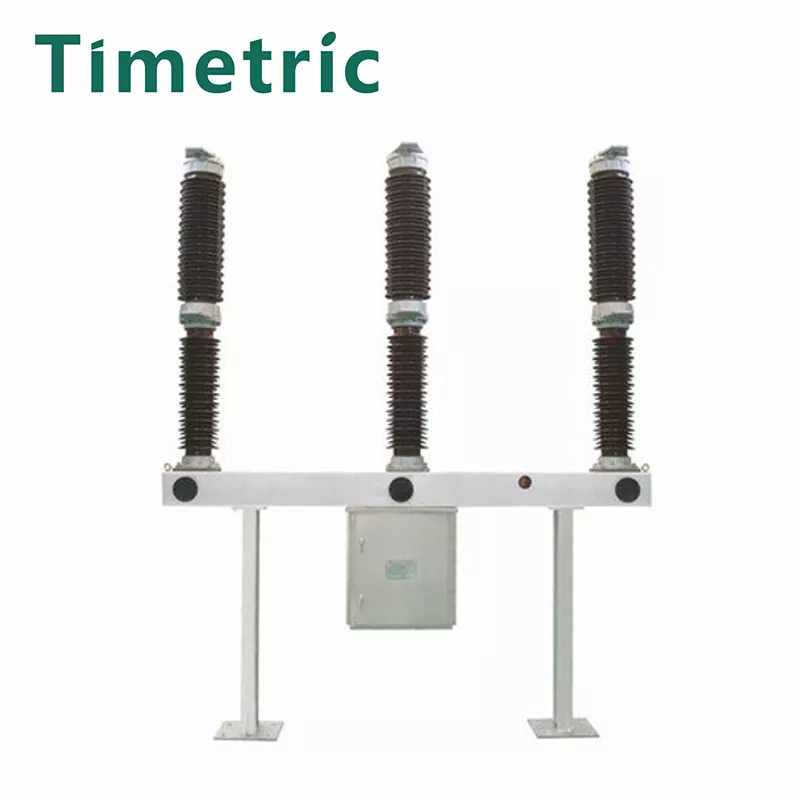
Most buyers are not just looking for a component with a technical label. They are trying to avoid very specific operational headaches. In many facilities, a weak or mismatched breaker leads to repeated shutdowns, uncertain protection performance, excessive maintenance planning, and growing concern over long-term operating cost. These issues are especially painful in factories, substations, infrastructure projects, and commercial distribution systems where even a short interruption can affect production schedules, equipment health, and customer confidence.
That is why the conversation around a Vacuum Circuit Breaker is rarely limited to a catalog description. Buyers want to know whether it will interrupt fault current dependably, whether it is suitable for switching loads repeatedly, whether it helps reduce service burden, and whether it fits the available panel or switchgear arrangement without making installation unnecessarily complicated.
For many decision-makers, the deeper concern is simple: they do not want a breaker that looks acceptable on paper but creates hidden costs in operation. A poor purchasing decision can mean extra downtime, hard-to-source spare parts, field troubleshooting, and pressure from end users who expected stable performance from day one.
Common pain points buyers want to solve
- Unexpected tripping and interruption of critical loads
- High maintenance burden over the product lifecycle
- Space constraints inside switchgear or panel systems
- Concerns about switching performance under frequent operation
- Difficulty balancing price, quality, and long-term value
What exactly is a Vacuum Circuit Breaker and how does it work?
A Vacuum Circuit Breaker is a switching device that interrupts current by separating contacts inside a vacuum interrupter. When the contacts open under load or fault conditions, an arc is formed. Because the interruption happens in a vacuum environment, the arc is extinguished quickly and efficiently. This is the core reason the technology is so widely used in medium-voltage systems where performance consistency matters.
From a buyer’s perspective, the main point is not just the theory. It is the result. Vacuum interruption helps provide stable arc extinguishing behavior, which supports reliable switching performance and makes the breaker suitable for repeated operation in many distribution network environments. That matters when applications involve motors, transformers, feeders, and switching sequences that happen more than occasionally.
| Feature | What It Means in Practice | Why Buyers Care |
|---|---|---|
| Vacuum interrupter | Arc is extinguished in a vacuum chamber | Supports dependable interruption performance |
| Compact structure | Equipment can be designed with smaller footprint needs | Useful when switchgear space is limited |
| Low arc-medium maintenance demand | No need to manage arc-extinguishing oil in the same way as some older systems | Helps simplify service planning |
| Frequent operation suitability | Can handle repeated switching tasks better than solutions chosen only for occasional use | Valuable for industrial and utility switching routines |
In plain terms, a Vacuum Circuit Breaker is often chosen because it gives buyers a more controlled answer to fault interruption and switching duty without pushing them into a maintenance-heavy ownership experience.
Why is this technology attractive for frequent operation?
Some switching devices may seem acceptable in low-demand scenarios, but they become less attractive when systems require frequent opening and closing. This is where a Vacuum Circuit Breaker often becomes a preferred option. In industrial environments, repeated switching can be part of normal operation rather than an exception. A breaker must respond consistently, not just survive occasional use.
Frequent operation usually raises three practical concerns. First, buyers worry about mechanical wear. Second, they worry about interruption stability under repeated duty. Third, they worry about whether the maintenance team will spend too much time keeping the equipment in working order. A well-chosen vacuum breaker addresses all three concerns better than many buyers initially expect.
- Operational confidence: Users want to know the breaker will perform when needed, not only during a factory test.
- Reduced service interruptions: Less maintenance pressure means fewer avoidable shutdowns.
- Longer planning horizon: Durable switching equipment helps teams think in terms of lifecycle value instead of near-term replacement.
That is one reason many procurement teams and technical managers look beyond first-price comparisons. The cheapest option is not always the one that protects uptime, labor resources, and equipment continuity most effectively.
Which problems can it solve for industrial and utility buyers?
The most valuable aspect of a Vacuum Circuit Breaker is that it solves practical problems rather than theoretical ones. Buyers in industrial plants, utilities, commercial power distribution projects, and equipment manufacturing all come to the table with different priorities, but their concerns often overlap.
Here are the problems it can directly help address:
- Unstable fault interruption: Buyers need confidence that the breaker can respond properly during abnormal current conditions.
- Heavy maintenance planning: Teams prefer equipment that reduces routine service demands.
- Panel space limitations: Compact equipment is easier to integrate into many medium-voltage assemblies.
- Demand for repeated switching: Applications with frequent operational cycles require equipment built with that reality in mind.
- Pressure to control total ownership cost: A reliable breaker may reduce losses tied to downtime, repair visits, and early replacement.
When buyers evaluate the solution correctly, they are not simply purchasing a breaker. They are protecting the continuity of the power system behind it.
How does it compare with other switching options?
Buyers often compare a Vacuum Circuit Breaker with alternatives based on switching medium, maintenance expectations, footprint, and application fit. The right choice always depends on the project, but vacuum technology stands out because it offers a strong balance of compactness, dependable interruption behavior, and suitability for repeated use.
| Evaluation Point | Vacuum Circuit Breaker | What This Means for the Buyer |
|---|---|---|
| Arc extinguishing method | Vacuum interruption | Supports fast and stable arc extinction behavior |
| Typical size and weight profile | Often compact and relatively light | Can help with integration and equipment layout |
| Frequent switching suitability | Strong fit for repeated operation | Useful in active distribution and industrial settings |
| Maintenance focus | Generally lower burden in arc-extinguishing maintenance | Can support easier lifecycle planning |
This does not mean every vacuum breaker on the market is automatically the right answer. Product quality, design consistency, component selection, and supplier support all make a difference. That is why buyers need to go beyond the product category and study the actual manufacturer or supplier behind it.
What should buyers check before choosing one?
If you are sourcing a Vacuum Circuit Breaker, you should not stop at appearance, nameplate basics, or a quick quotation. A smart evaluation looks at technical fit, application conditions, and supplier responsiveness together.
A practical checklist includes:
-
Rated voltage and current compatibility
Make sure the breaker matches the actual operating environment rather than a rough estimate. -
Breaking capacity
Fault interruption requirements must align with system conditions and protection design. -
Indoor or outdoor use
Environmental conditions matter more than many buyers expect. -
Mounting style and switchgear compatibility
Physical integration can affect both installation cost and delivery timing. -
Mechanical endurance expectations
Frequent operation applications should not be treated like low-cycle systems. -
Service and spare support
Even a strong product benefits from clear technical communication and post-sale assistance.
Buyers should also pay attention to communication quality during the inquiry stage. If the supplier cannot answer application questions clearly before the order, support after delivery may become even harder. That is one reason many customers pay attention not only to the product itself but also to the professionalism behind the quotation.
How can proper installation and care extend service value?
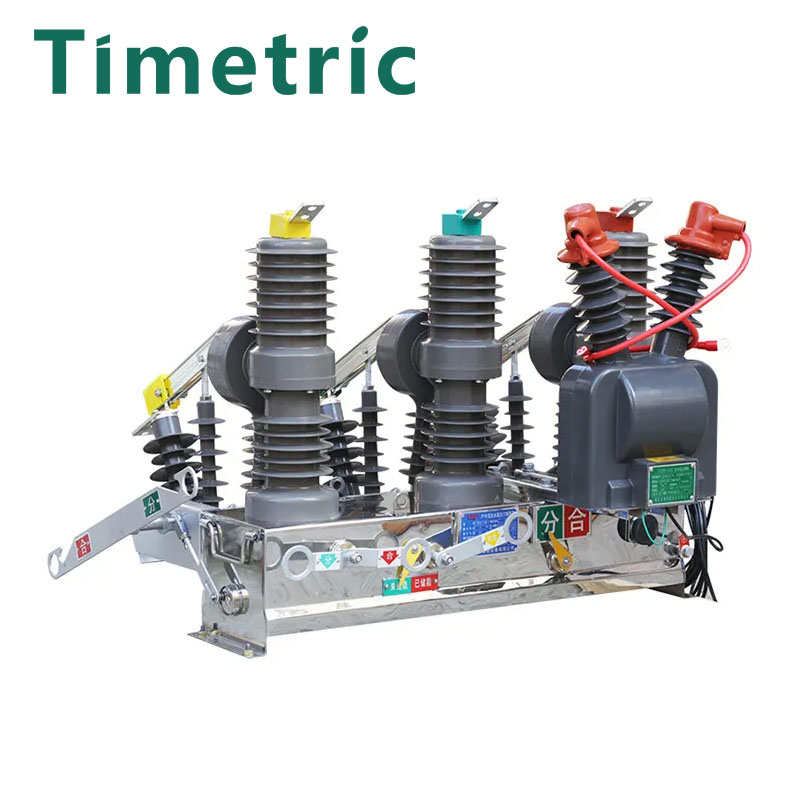
Even a good Vacuum Circuit Breaker can underperform if installation is rushed or maintenance practices are inconsistent. Buyers who want a better return on equipment value should think beyond delivery and consider the full operating context.
- Confirm installation dimensions before shipment or assembly
- Check mechanical operation and interlocking behavior carefully
- Keep the operating environment clean and aligned with application needs
- Follow a realistic inspection schedule instead of waiting for visible failure
- Train on-site teams so minor issues are identified early
One of the biggest misconceptions in procurement is that reliable equipment no longer needs attention. In reality, the goal is not zero oversight. The goal is manageable oversight. A quality vacuum breaker helps teams move from reactive repair to planned supervision, which is a far more sustainable operating model.
Why does supplier capability matter as much as the product itself?
In real purchasing scenarios, the difference between a smooth project and a frustrating one is often not the product category but the supplier behind it. A Vacuum Circuit Breaker may look similar across many quotations, yet major differences can exist in consistency, documentation, quality control, technical understanding, and responsiveness.
This is where a company such as Wenzhou Shuyi Import and Export Co., Ltd. becomes relevant in the buyer’s decision process. Buyers want more than a catalog page. They want a supplier that understands application needs, communicates clearly, and supports the product with practical service rather than vague promises. That confidence matters when the project timeline is tight or the application is too important to risk on weak support.
A dependable supplier relationship can help buyers in several ways:
- Faster matching of product specifications to application needs
- More accurate quotation and delivery communication
- Better coordination for technical details and documentation
- Improved confidence in long-term cooperation
When buyers evaluate a Vacuum Circuit Breaker, they should ask one final question: will this supplier still be helpful after the invoice is paid? That question often reveals more than any brochure can.
FAQ
Is a Vacuum Circuit Breaker suitable for medium-voltage applications?
Yes. It is widely chosen for medium-voltage distribution and switching scenarios because it offers dependable interruption performance, compact design advantages, and suitability for repeated operation.
Does a Vacuum Circuit Breaker require heavy maintenance?
It is often selected because maintenance demand related to the arc-extinguishing process is comparatively manageable. Actual maintenance needs still depend on operating conditions, mechanical usage, and the quality of installation and inspection practices.
Which buyers usually choose this type of breaker?
Industrial facilities, utilities, switchgear manufacturers, infrastructure projects, and commercial power distribution users commonly consider it when they need a reliable medium-voltage switching solution.
What should I ask a supplier before purchasing?
Ask about rated voltage, rated current, breaking capacity, application environment, mounting compatibility, operating mechanism, inspection recommendations, and post-sale technical support.
Can a lower-priced breaker still be the right option?
Sometimes, but only if it truly matches the system requirements and comes from a supplier capable of supporting it properly. A lower upfront price is not always the lowest overall cost once downtime, service effort, and replacement risk are considered.
What should buyers remember before making a final decision?
A Vacuum Circuit Breaker is not just another item in a switchgear bill of materials. It is one of the components most closely tied to system stability, fault handling, maintenance planning, and operational confidence. Buyers who focus only on list price may miss the bigger picture. Buyers who look at technical fit, lifecycle value, and supplier capability together are much more likely to choose a solution that performs well over time.
If you are comparing options and want a product discussion based on real application needs rather than generic sales language, contact us to explore the right Vacuum Circuit Breaker solution for your project with support from Wenzhou Shuyi Import and Export Co., Ltd..